You spent $40 on a luxury foundation. You prepped your skin like a pro. But your finish still looks patchy, cakey, or streaked. The problem isn’t your formula—it’s your foundation applicator. Most people treat it as an afterthought. Big mistake.
The Core Problem: Why Standard Methods Fail
Sponges absorb 30–50% of your product. Brushes drag and pull if you don’t own five different types. Fingers? They warm the product—but also transfer oils and bacteria that trigger breakouts.
And blending isn’t just about motion. It’s about pressure, angle, and material porosity. Get any one wrong, and you’re fighting shine in two hours or flaking by lunch.
How to Choose and Use the Right Foundation Applicator
Know Your Skin Type First
Dry skin needs hydration-locked tools—like silicone spatulas or dense microfiber pads. Oily skin thrives with non-absorbent, smooth surfaces that won’t trap sebum mid-application.
Match Tool to Formula
Water-based foundations slide best on damp sponges. Thick, oil-rich bases? A flat-top kabuki brush gives control without soaking up every drop. Powder formulas need fluffy buffers—not the same tool you used for liquid yesterday.
Cleaning Isn’t Optional
A dirty applicator redistributes old product, dead skin, and bacteria into fresh foundation. Clean weekly—or risk clogged pores and dull finishes.
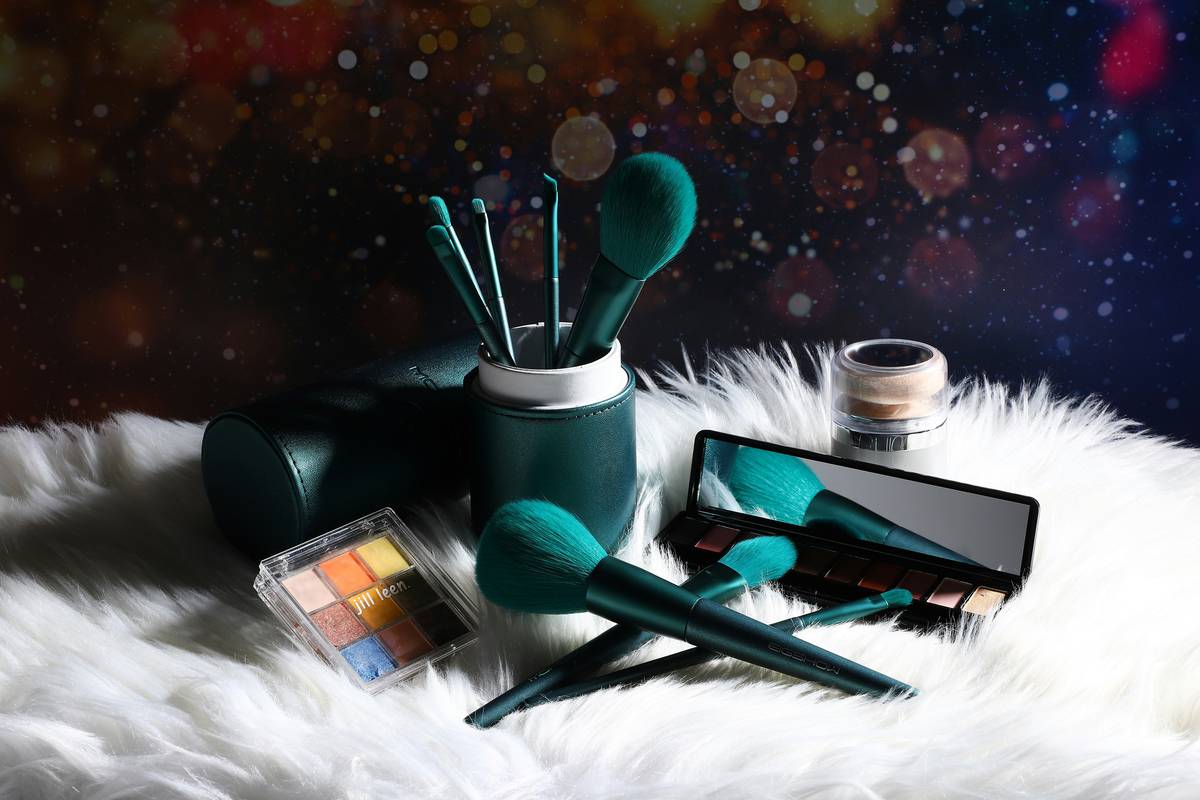
| Applicator Type | Product Waste | Best For | Lifespan (Proper Care) |
|---|---|---|---|
| Damp Beauty Sponge | High (30–50%) | Sheer to medium coverage; dewy finishes | 1–2 months |
| Synthetic Kabuki Brush | Low (<10%) | Full coverage; matte or satin bases | 12+ months |
| Silicone Blender Pad | Negligible (0%) | Thick creams; sensitive or acne-prone skin | Indefinite (with cleaning) |
| Fingers | None | Quick touch-ups; thin, watery formulas | N/A |
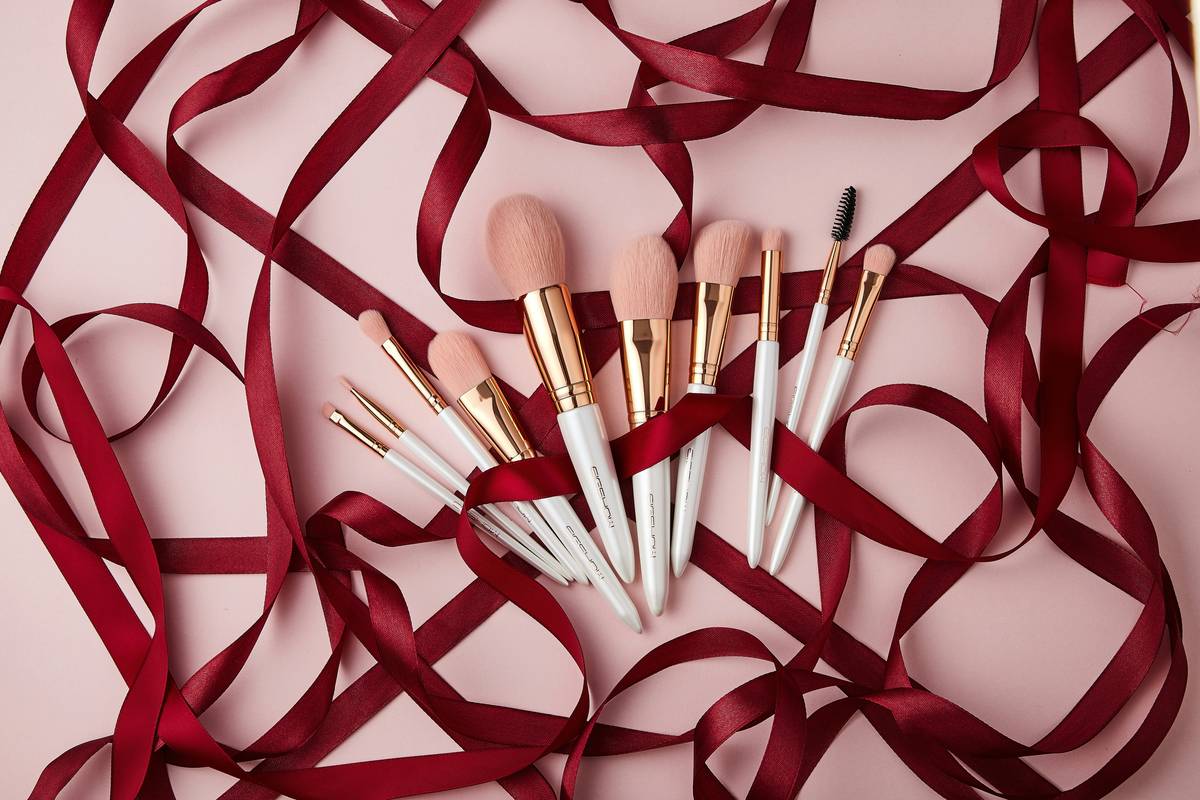
The Industry Secret: Pros Don’t Rely on One Tool
Here’s what no brand will tell you: top artists use two applicators per foundation application. One for initial placement—the other for blending edges. Why? Precision and diffusion aren’t the same job.
A flat synthetic brush deposits product exactly where needed—jawline, under eyes, forehead. Then, a slightly damp sponge softens only the borders, avoiding over-blending the center. The result? Dimensional coverage that doesn’t flatten your bone structure. Try it once—you’ll never go back.
FAQ
What’s the best foundation applicator for oily skin?
Non-porous tools like silicone pads or tightly packed synthetic brushes minimize oil absorption and prevent midday shine buildup.
Can I reuse a beauty sponge safely?
Yes—if cleaned thoroughly after every 2–3 uses with antibacterial soap and fully air-dried. Replace monthly to avoid bacterial colonies.
Does the foundation applicator really affect longevity?
Absolutely. Absorbent sponges leave less product on skin, causing faster fade. Non-absorbent tools ensure full pigment adherence for 8+ hour wear.