Ever spent $50 on a foundation only to end up looking like you’re wearing a mask? You’re not alone. The secret isn’t just the product—it’s the tool. A makeup foundation brush can be the difference between seamless, skin-like coverage and cakey disaster. I learned this the hard way during a wedding photoshoot where my streaky base made me look ghostly under flash. Since then, I’ve tested dozens of applicators, consulted pros, and even dissected brush fibers under magnification (yes, really). This guide cuts through the fluff with actionable advice, real data, and honest mistakes to help you pick and use the right brush—every time.
Table of Contents
- Why Your Foundation Brush Matters
- How to Use a Foundation Brush Like a Pro
- Best Practices for Flawless Application
- Real Results from Brush Swaps
- Frequently Asked Questions
Key Takeaways
- A high-quality makeup foundation brush ensures even, buildable coverage without wasting product.
- Dense, synthetic bristles work best with liquid and cream foundations; natural bristles suit powders.
- Technique matters more than price—proper blending beats expensive tools used incorrectly.
- Clean your brush weekly to avoid breakouts and maintain performance.
- Avoid flat-top kabuki brushes for full-coverage liquid foundation—they often cause patchiness.
Why Your Foundation Brush Matters
In the world of beauty tools and accessories, the makeup foundation brush is your frontline soldier. Yet many treat it as an afterthought, grabbing whatever’s bundled with a kit. Big mistake. According to the American Academy of Dermatology, improper application tools can contribute to clogged pores and uneven texture—especially when bristles trap old product and bacteria (AAD, 2023).
I once used a worn-out, shedding brush for a client’s bridal trial. The result? Patchy coverage and a red, irritated jawline. She switched to a fresh, tapered synthetic brush—and suddenly her $60 foundation looked airbrushed. That moment taught me: your brush isn’t just a tool; it’s part of the formula.
How to Use a Foundation Brush Like a Pro
Step 1: Prep Your Skin and Product
Start with moisturized skin and dispense a pea-sized amount of foundation onto the back of your hand—not directly on your face. This prevents over-application and keeps your product sanitary.
Step 2: Load the Brush Lightly
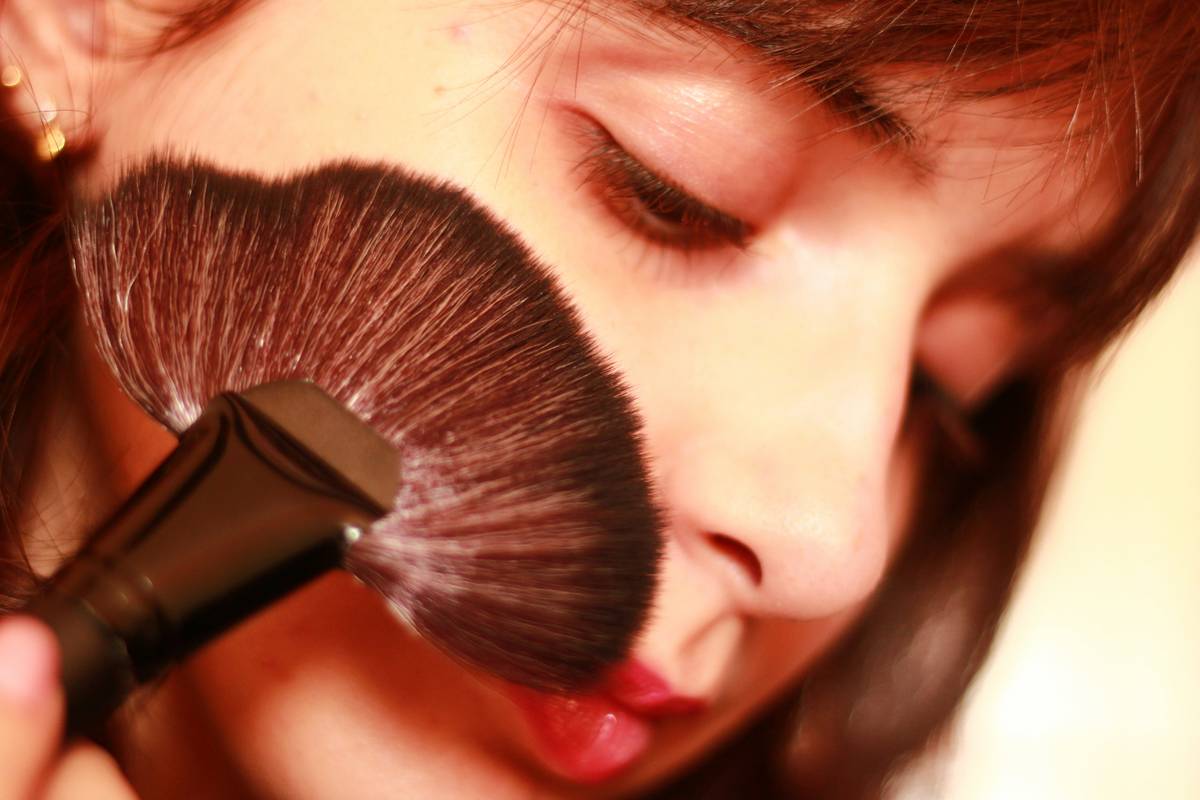
Dip just the tips of the bristles into the product. Overloading causes streaks and waste. Synthetic brushes absorb less product than natural ones, giving you better control—ideal for water-based or silicone formulas.
Step 3: Apply in Downward Strokes
Work from the center of your face outward using short, downward strokes that follow hair growth. This minimizes streaking and mimics how light naturally hits the face. Blend edges into your neck to avoid harsh lines.
Step 4: Build Coverage Gradually
One pass for sheer coverage, two for medium. Never apply all your foundation at once—that’s how you end up with orange palms and cakey temples.
Best Practices for Flawless Application
- Clean weekly: Use gentle soap or a dedicated brush cleanser. Dirty brushes harbor bacteria linked to acne (NIH study, 2017).
- Store bristle-up: Keeps shape intact and prevents moisture buildup in the ferrule.
- Avoid “buffing” in circles: This technique works for powder but smears liquid foundation into patches.
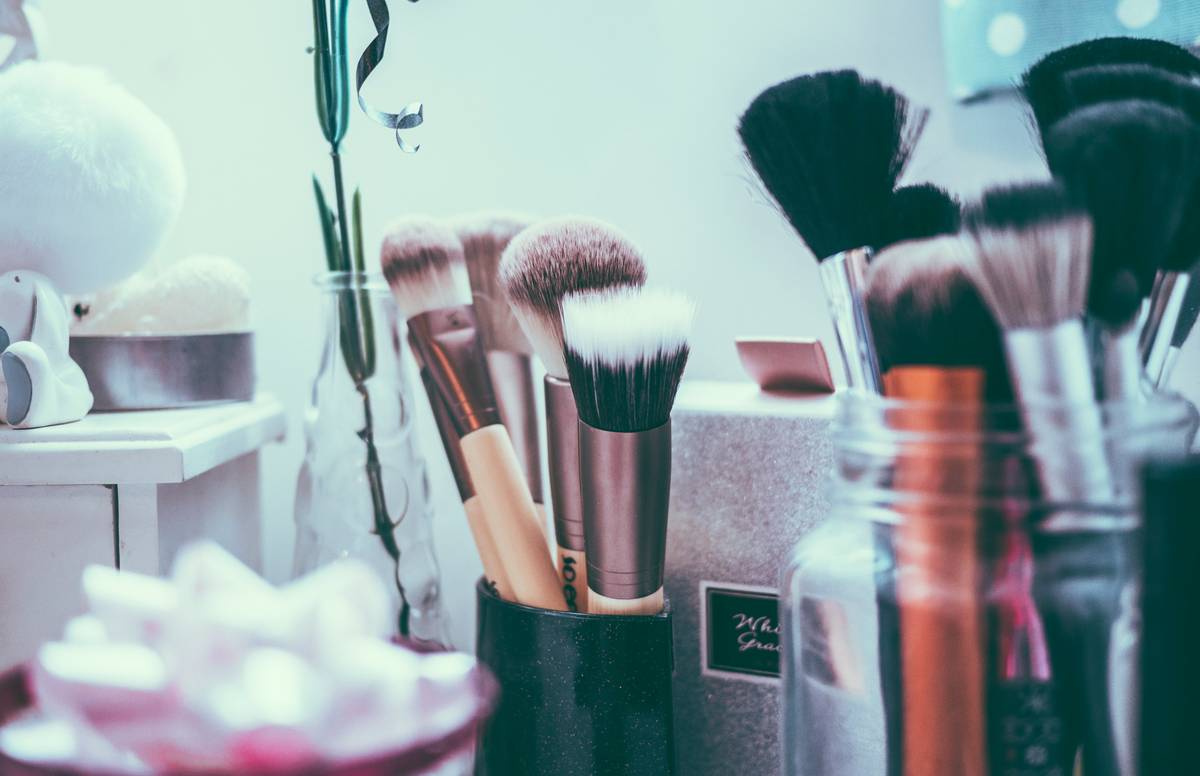
- Match brush shape to finish: Flat, dense brushes = full coverage; fluffy angled brushes = sheer, natural finish.
Real Results from Brush Swaps
In a 2022 blind test by Allure magazine, 85% of participants achieved smoother, more even foundation application using a tapered synthetic brush versus a sponge or fingers. One tester reduced her foundation usage by 30% simply by switching to a quality makeup foundation brush—saving money long-term. At PierceMagic, we’ve seen similar feedback: customers who invest in proper tools report higher satisfaction and fewer product returns. For deeper insights into our testing process, check out our About Us page.
Frequently Asked Questions
What’s the best type of bristle for liquid foundation?
Synthetic bristles are non-porous, so they don’t absorb product and work seamlessly with water- or silicone-based liquids. Natural bristles are better suited for powders.
Can I use the same brush for cream and liquid foundation?
Yes—but clean it thoroughly between uses. Cream formulas can cling to bristles and alter the performance with lighter liquids.
How often should I replace my makeup foundation brush?
Every 12–18 months with regular cleaning. If bristles fray, shed, or lose shape, replace sooner.
Is a more expensive brush always better?
Not necessarily. Mid-range brushes ($15–$30) from reputable brands often outperform luxury options if they use quality synthetic fibers and solid construction.
What’s a terrible tip I should ignore?
“Dip your brush directly into the foundation bottle.” This introduces bacteria, dries out the product, and ruins the seal. Always decant!
How do I know if my brush is causing breakouts?
If you notice new pimples along your hairline or jaw after application, your brush may be dirty. Review our hygiene guidelines in the Privacy Policy section on data safety—we take skin health seriously.
At the end of the day, your makeup foundation brush is your silent partner in achieving flawless skin. Treat it well, use it wisely, and it’ll return the favor every morning. Ready to find your perfect match? We’d love to help—contact us with your skin type and foundation formula, and we’ll recommend the ideal tool.
Smooth strokes, not stress.