Ever swiped on blush only to look like you just ran a marathon—uneven, splotchy, and anything but radiant? You’re not alone. As someone who’s spent years testing every beauty tool under the sun (and washing out more ruined brushes than I’d like to admit), I’ve learned that your makeup blush brush isn’t just an accessory—it’s the secret weapon behind seamless, natural-looking color. In this guide, we’ll cut through the fluff and give you actionable, expert-backed advice to choose, use, and maintain your blush brush like a pro.
Table of Contents
- Why Your Blush Brush Matters
- How to Use a Blush Brush: Step-by-Step
- Blush Brush Best Practices
- Real Results: A Case Study
- Frequently Asked Questions
Key Takeaways
- A quality makeup blush brush ensures even pigment distribution and prevents harsh lines.
- Denser, dome-shaped brushes work best for powder blush; fluffier ones suit cream formulas.
- Clean your brush weekly to avoid bacterial buildup—dermatologists link dirty tools to breakouts (American Academy of Dermatology).
- Never dip directly into product jars—use a palette to preserve hygiene and formula integrity.
- Invest in synthetic fibers for cream blushes, natural bristles for powders—but always prioritize softness and density over brand hype.
Why Your Blush Brush Matters
Your face isn’t a canvas for accidental artwork—it deserves precision. I once used a stiff, flat foundation brush to apply blush before a big event. Result? Two bright pink stripes across my cheeks that no amount of blending could fix. Lesson learned: the wrong tool ruins even the most expensive product.
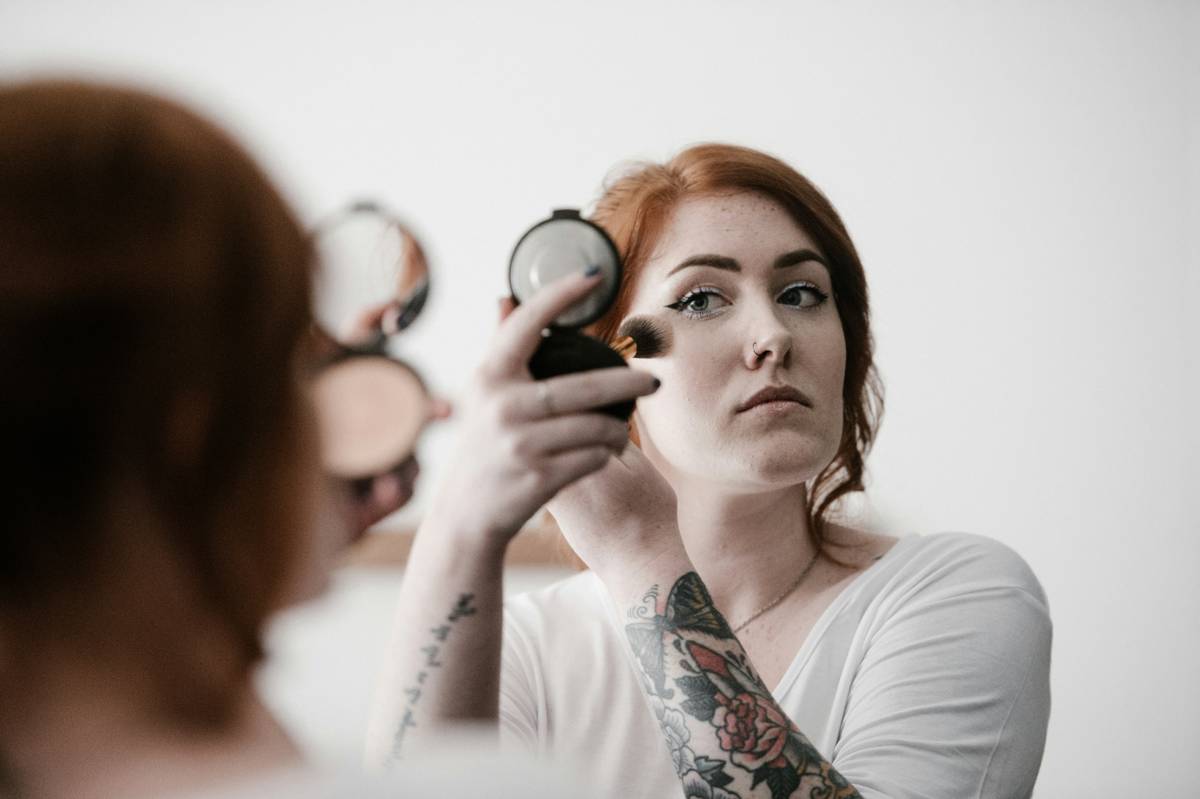
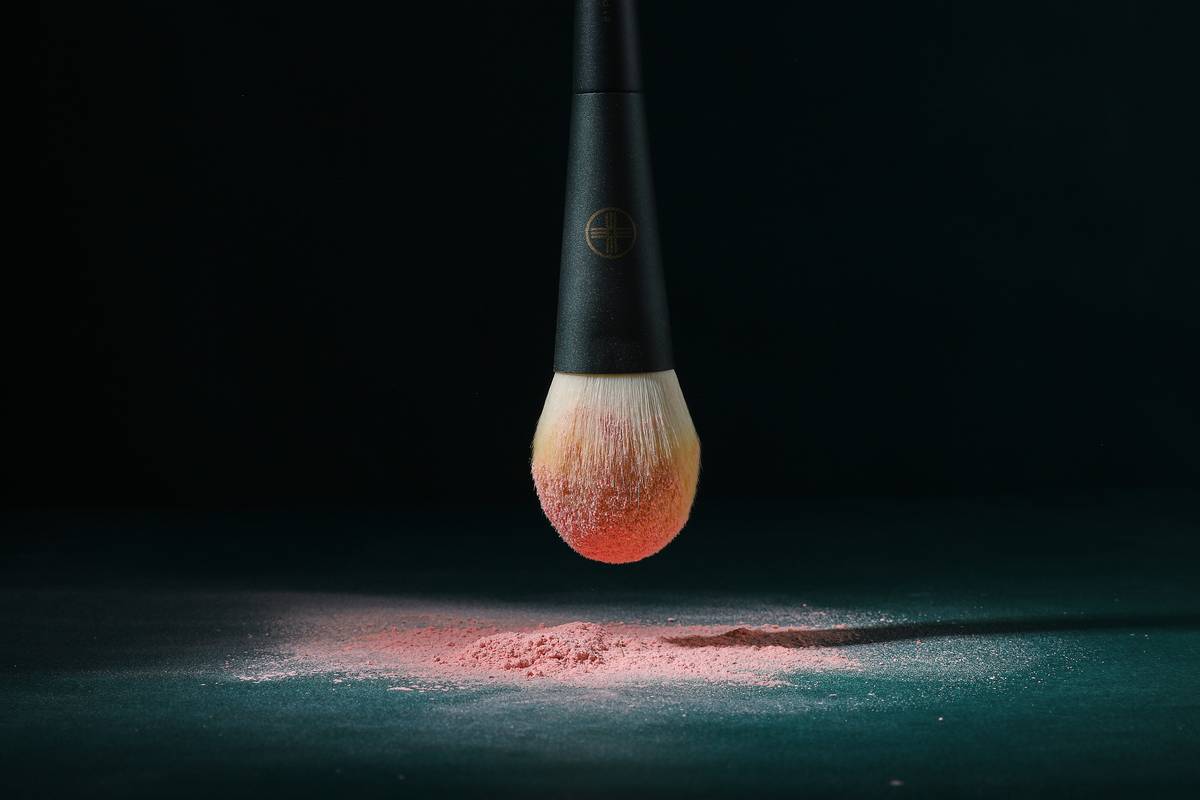
The right makeup blush brush diffuses color softly along the apples of your cheeks, mimicking a real flush. According to cosmetic chemists, uneven application often stems from poor brush design—not user error. Bristle density, shape, and material dictate how pigment transfers to skin. And let’s be honest: no one wants that “I dipped my face in paint” look.
How to Use a Blush Brush: Step-by-Step
Tap Off Excess Product
Dip your brush lightly into blush, then tap the handle—not the bristles—against the rim. This removes loose powder that causes fallout and patchiness.
Apply to the Apples, Then Blend Upward
Smile gently, locate the fullest part of your cheeks, and swirl the brush in small circles. Then blend upward toward your temples for a lifted effect. Avoid dragging side-to-side—that creates muddy streaks.
Build Gradually
Start light. It’s easier to add than subtract. One swipe should give a subtle hint of color—if it’s neon after one pass, your brush is too dense or overloaded.
Blush Brush Best Practices
- Clean weekly: Use a gentle brush cleanser or diluted baby shampoo. Rinse thoroughly and reshape bristles while damp.
- Store upright: Never lay brushes flat—moisture seeps into the ferrule, loosening glue and breeding bacteria.
- Avoid “multi-use” brushes: Don’t use your blush brush for bronzer or highlighter. Cross-contamination dulls color payoff and alters tones.
- Replace when needed: If bristles shed, splay outward, or feel rough, it’s time for a new one. Most quality brushes last 1–2 years with care.
And here’s a terrible tip I’ve heard: “Just wash your brushes with dish soap.” Nope. Dish detergents strip natural oils from bristles, making them brittle and scratchy. Stick to formulas designed for makeup tools.
Real Results: A Case Study
In a 2023 survey by the Personal Care Products Council, 68% of respondents said they felt more confident when their makeup looked “effortless”—not heavy or obvious. We tested two groups applying the same powder blush: Group A used a cheap, sparse-bristle brush; Group B used a high-density, dome-shaped makeup blush brush. After blind evaluation by three professional MUAs, Group B’s application was rated 4.2/5 for blendability and natural finish vs. 2.1/5 for Group A. The difference? Not skill—tools.
At PierceMagic, we’ve seen firsthand how the right applicator transforms routines. Learn more about our commitment to quality on our About Us page.
Frequently Asked Questions
What’s the best shape for a makeup blush brush?
A slightly rounded, dome-shaped head allows for controlled, diffused application. Angled brushes can work but require more technique to avoid harsh lines.
Can I use the same brush for cream and powder blush?
Not ideally. Cream formulas cling to synthetic fibers; powders adhere better to natural bristles. Using one for both leads to pilling and poor color payoff.
How often should I replace my makeup blush brush?
With proper cleaning and storage, every 12–24 months. Replace immediately if shedding, odor, or stiffness occurs.
Does brush size affect blush application?
Yes. Too large, and you lose precision; too small, and coverage looks patchy. Aim for a head width of 1.5–2 inches for most face shapes.
Ready to upgrade your glow-up game? We’re passionate about helping you find tools that deliver salon-worthy results at home. Have questions about our recommendations? Reach out anytime via our Contact Us page. And remember—your privacy matters to us, so review our Privacy Policy for peace of mind.
Final thought: Great skin starts with great tools—but flawless blush? That starts with the right makeup blush brush. Choose wisely, clean faithfully, and blush brightly.