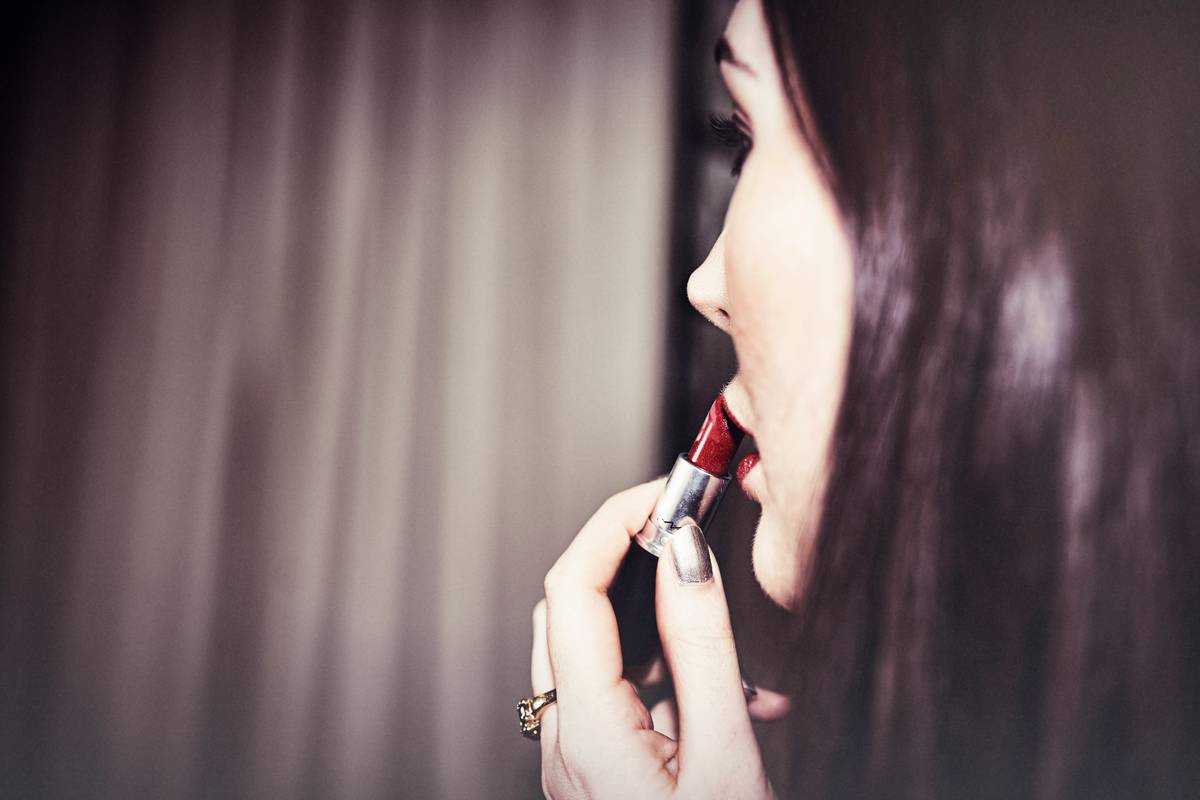
You apply lipstick straight from the bullet. It smudges by noon. Bleeds into fine lines. Looks uneven under sunlight. And no matter how many times you blot, it never matches the glossy, airbrushed finish you see online. The problem isn’t your formula—it’s your tool. A makeup lip brush is the silent game-changer most skip, assuming precision is “extra.” But here’s the reality: pros don’t wing it. They wield control.
The Bullet Lie: Why Direct Application Fails
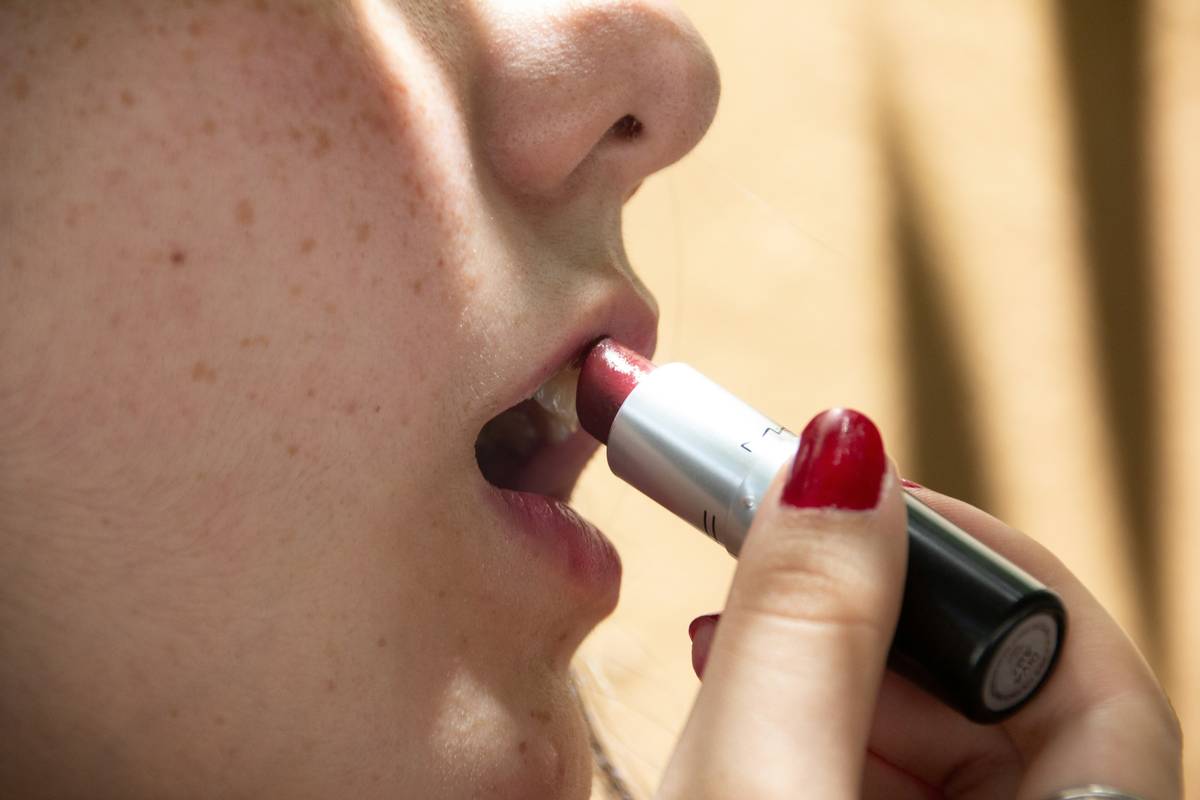
Applying lipstick straight from the tube feels fast. Efficient. Natural. But it’s an illusion. Your lips aren’t flat—they’re contoured, textured, and move constantly. The curved bullet deposits too much pigment in the center and skips over thinner edges. Result? Patchiness, feathering, and wasted product that ends up on your teeth—not your pout.
And texture matters more than you think. Matte formulas drag. Creams slip. Glosses glob. Without a buffer between your hand and the pigment, you lose micro-control. You’re not painting—you’re smearing.
How to Master the Makeup Lip Brush Like a Pro
Forget “just dabbing.” Precision application is strategic. It starts with selection, moves through technique, and ends with longevity you can trust—even through coffee runs and phone calls.
Selecting the Right Bristle Type
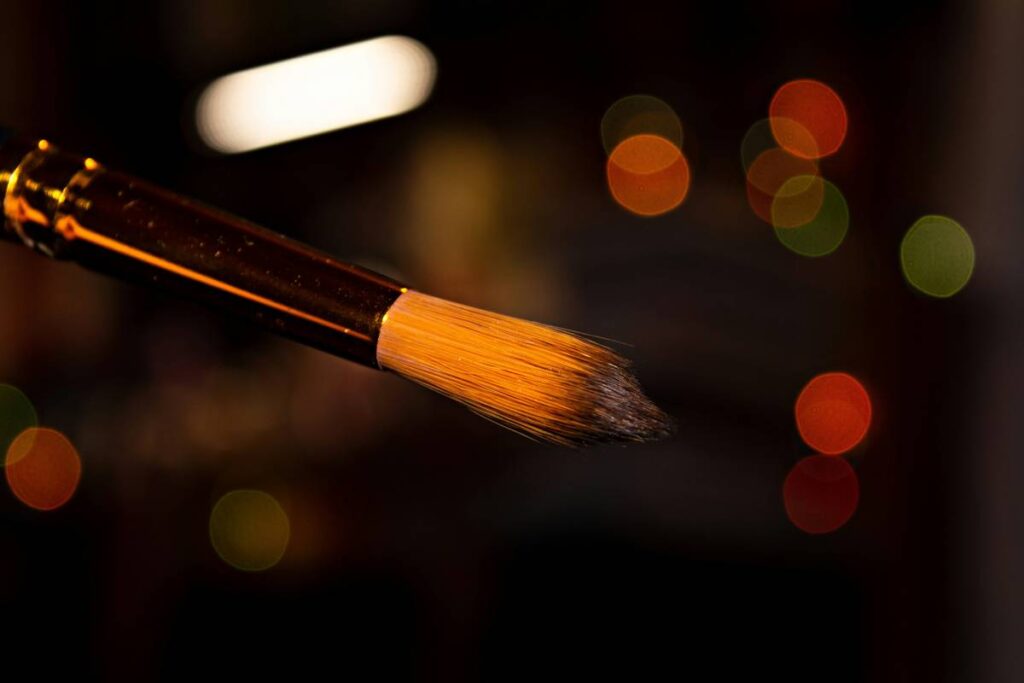
Natural bristles (sable, pony) hold creamy and liquid formulas beautifully but fray with oils. Synthetic fibers handle long-wear mattes and stains without swelling or shedding. For everyday versatility? Go tapered synthetics—they mimic natural hair density without the maintenance.
Loading and Blending Technique
Dip, don’t dunk. Swipe the brush once across the bullet or palette. Tap off excess—this isn’t paint-by-numbers. Start at the cupid’s bow. Define outward with feathery strokes. Then fill the lower lip using vertical dabs, not horizontal swipes. This locks pigment into creases instead of sliding over them.
Cleaning Without Ruining the Tip
Rinse under lukewarm water immediately after use. Swirl in diluted baby shampoo—never alcohol-based cleaners. Reshape the tip while damp. Air-dry bristles down to prevent water seeping into the ferrule. A well-maintained brush lasts 12–18 months. Neglect it? Two weeks of bacterial buildup and splayed bristles.
| Application Method | Longevity (Hours) | Edge Definition | Product Waste |
|---|---|---|---|
| Direct from Bullet | 3–4 | Poor | High (excess on skin/clothes) |
| Finger Blending | 2–3 | None | Moderate (absorbed into skin) |
| Makeup Lip Brush | 6–8+ | Sharp, customizable | Low (precise deposition) |
The Industry Secret: Double-Brushing for Dimension
Here’s what luxury makeup artists won’t tell you: they often use two brushes per lip. First, a flat-tipped brush applies the base color evenly. Then, a finer, angled brush dips into a slightly darker shade—or even a matte version of the same hue—and traces just the outer third of the lower lip and corners. This subtle gradation creates optical fullness without liner. It’s not contouring. It’s depth engineering. Most drugstore tutorials skip this because it requires two tools—but the result? Three-dimensional richness that photographs like velvet.
Frequently Asked Questions
Can I use a regular eyeshadow brush as a makeup lip brush?
No. Eyeshadow brushes are fluffier and wider. They lack the firm, tapered tip needed for crisp lip lines. You’ll get blurred edges and inconsistent coverage.
How often should I replace my makeup lip brush?
Every 12–18 months if cleaned weekly. Replace immediately if bristles splay, shed, or retain odor despite washing.
Does a makeup lip brush work with liquid lipstick?
Absolutely—but use a synthetic, densely packed brush. Natural bristles absorb too much liquid, causing patchiness and wasting expensive formula.